Lash Extensions Explained: Style, Safety, Retention, and Aftercare
Understanding Your Lash Extension Options
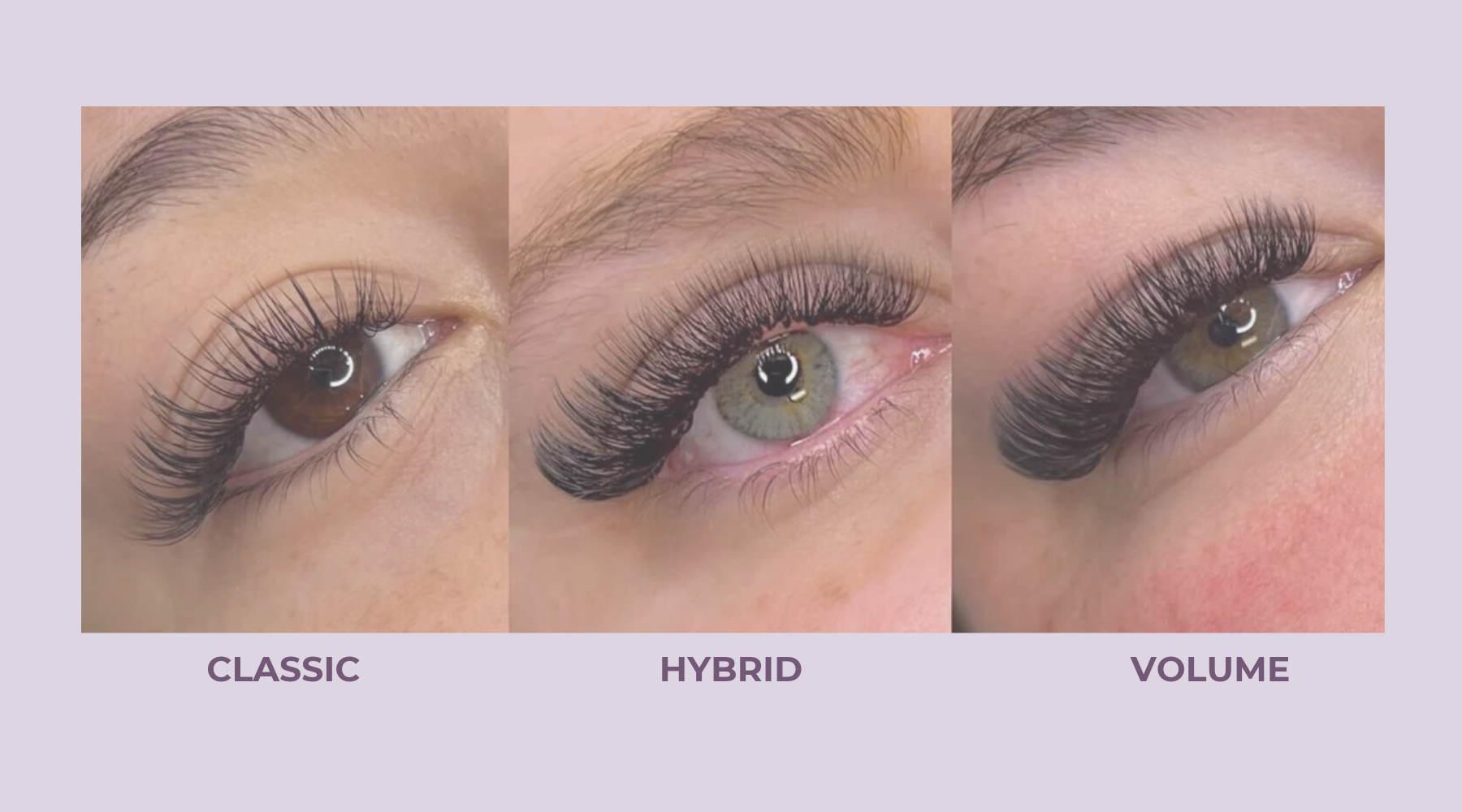
Since December 2015, I've provided lash extension services and answered questions from clients who want fuller-looking lashes without an overly dramatic result. One concern I hear frequently, particularly from women over 40, is that lash extensions will look too thick or too long. Fortunately, lash extensions can be customized in several ways, including the length, curl, density, and overall styling. Classic and volume techniques offer different approaches to enhancing the lash line, and the right choice depends on your natural lashes and desired outcome. Understanding these options is the first step toward choosing a look that feels appropriate for you.
What Makes Volume Lash Extensions Different?
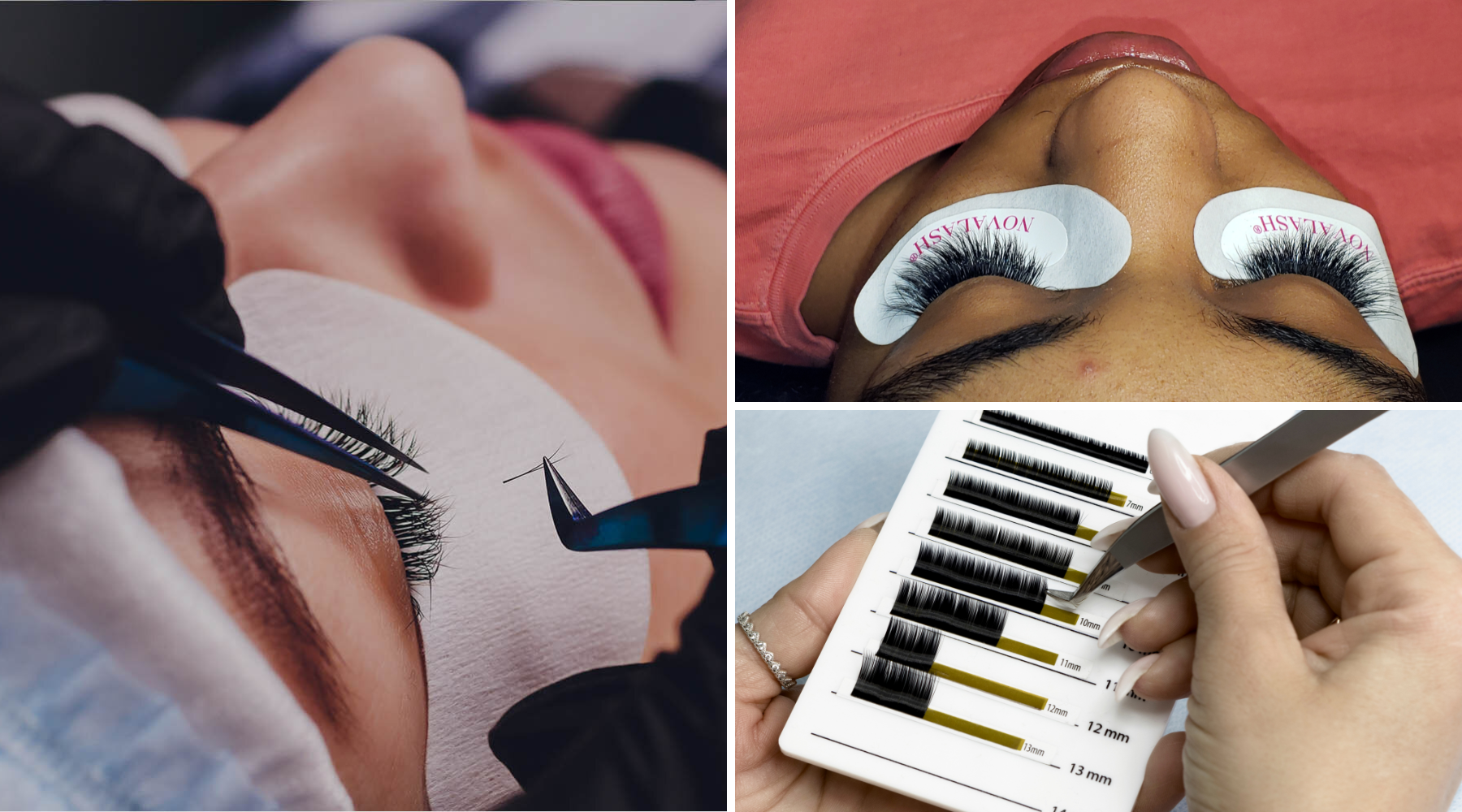
I specialize in volume lash extensions because they let me customize the density and coverage of the lash line, as well as the weight of the extensions applied to each natural lash. With this technique, fine extension fibers are arranged into fans and applied to individual natural lashes using an appropriate application method. The number of fibers used in each fan depends on their thickness, the natural lash's strength, and the overall design. This flexibility allows an artist to create anything from a subtle enhancement to a fuller, more noticeable style. The key distinction is that while word volume sounds dramatic, it doesn't have to be. When the style and weight are chosen appropriately, volume techniques can create a softer, more natural-looking result than traditional classic lashes.
Can Lash Extensions Cause Natural Lash Damage?
This is the second most asked question. The short answer is that properly applied extensions do not damage healthy natural lashes, but improper application can cause damage. One of the amazing things about using volume extensions is that I can customize the extension for each individual natural lash. Natural lashes have their own growth and shedding cycles, and extensions need to be selected and applied with those cycles in mind. Attaching neighboring natural lashes can cause pulling as they grow and shed at different rates. Applying extensions that are too heavy or too long for the natural lashes can also place excessive stress on them. Repeated traction may contribute to breakage or a condition known as traction alopecia, which involves hair loss associated with pulling or tension. Responsible application, choosing the right extension length, and careful aftercare are therefore essential.
How Long Should Lash Extensions Last?
The third most popular question is: how long will my lash extensions last? Lash extension retention varies from one client to another, so there isn't a single timeline that applies to everyone. Many of my clients return for refills every three to four weeks, and some can comfortably wait five weeks depending on their individual circumstances. Natural lashes continually grow, rest, and shed, which means extensions will gradually fall away with the lashes they're attached to. Your maintenance habits, application quality, adhesive performance, and individual lash cycle can all influence how full your extensions look over time. A suitable maintenance schedule should consider both your desired appearance and the condition of your natural lashes.
If you're experiencing unusually rapid or uneven lash loss, it's worth reviewing the situation with your artist rather than assuming frequent refills are always necessary. For example, I have noticed that clients taking weight-loss medications or oral hair growth medications/supplements don’t have great retention with lash extensions. A suitable maintenance schedule should consider both your desired appearance and the condition of your natural lashes.

How Should You Care for Your Lash Extensions?
A consistent aftercare routine helps support both the appearance of your extensions and the cleanliness of your lash line. Follow your lash artist's instructions for washing and drying your lashes, and use products suitable for your specific adhesive and extensions. For example, my clients use an oil-based cleanser, which typically isn’t suitable for most other brands.
Avoid rubbing, pulling, trimming, or attempting to remove extensions yourself, as these actions can damage your natural lashes. Do not skip cleansing out of fear that water will automatically cause your extensions to fall out; instead, follow the appropriate cleaning instructions for the products you are using. If you notice persistent redness, swelling, pain, or other signs of irritation, stop using potentially irritating products and seek appropriate medical advice. Healthy lash care should always take priority over maintaining a particular look.
Why Lash Extensions Are a Great Option for Women Over 40
Women over 40 benefit from lash extensions for one simple reason: aging changes the eye area in ways conventional makeup alone can't address. Sagging eyelids make the eyes appear smaller and more tired. The lash line, once full and dark, begins to thin, leaving visible gaps that mascara alone cannot fill. And while mascara is the go-to fix for many, it often makes matters worse for fine, aging lashes by clumping sparse lashes together rather than adding true density, and weighing down delicate strands that are already struggling to hold their curl. Over time, rubbing and removing mascara can even accelerate lash loss, compounding the very problem you're trying to solve. Hooded lids creep in, swallowing up the lash line and making your eyes appear tired even when you're not.
These aren't cosmetic inconveniences you can wish away; they're the natural result of collagen loss and skin laxity that comes with age. Volume lash extensions directly counter these changes. By applying multiple ultra-fine lash fibers to each natural lash, volume sets build density where your lashes have thinned, create the illusion of more lifted, open-looking eyes to visually counteract the effects of sagging lids, and restore the definition that age has stripped away, all without surgery, serums, or guesswork.
Ready to Find Your Ideal Lash Style?
If you've been curious about lash extensions but have questions about safety, fullness, or maintenance, you're not alone. These are some of the most common concerns I hear, and they're worth discussing before your first appointment. Whether you prefer a soft, natural appearance or a fuller lash line, the process starts with understanding your natural lashes and your expectations. Together, we can discuss suitable styling options, realistic retention expectations, and the aftercare needed to maintain your extensions. My goal is to help you make an informed decision and choose a look that complements you. Schedule a consultation to find out which lash extension style may be right for you.