
The Fall Skin Reset: What to Watch for as the Season Changes
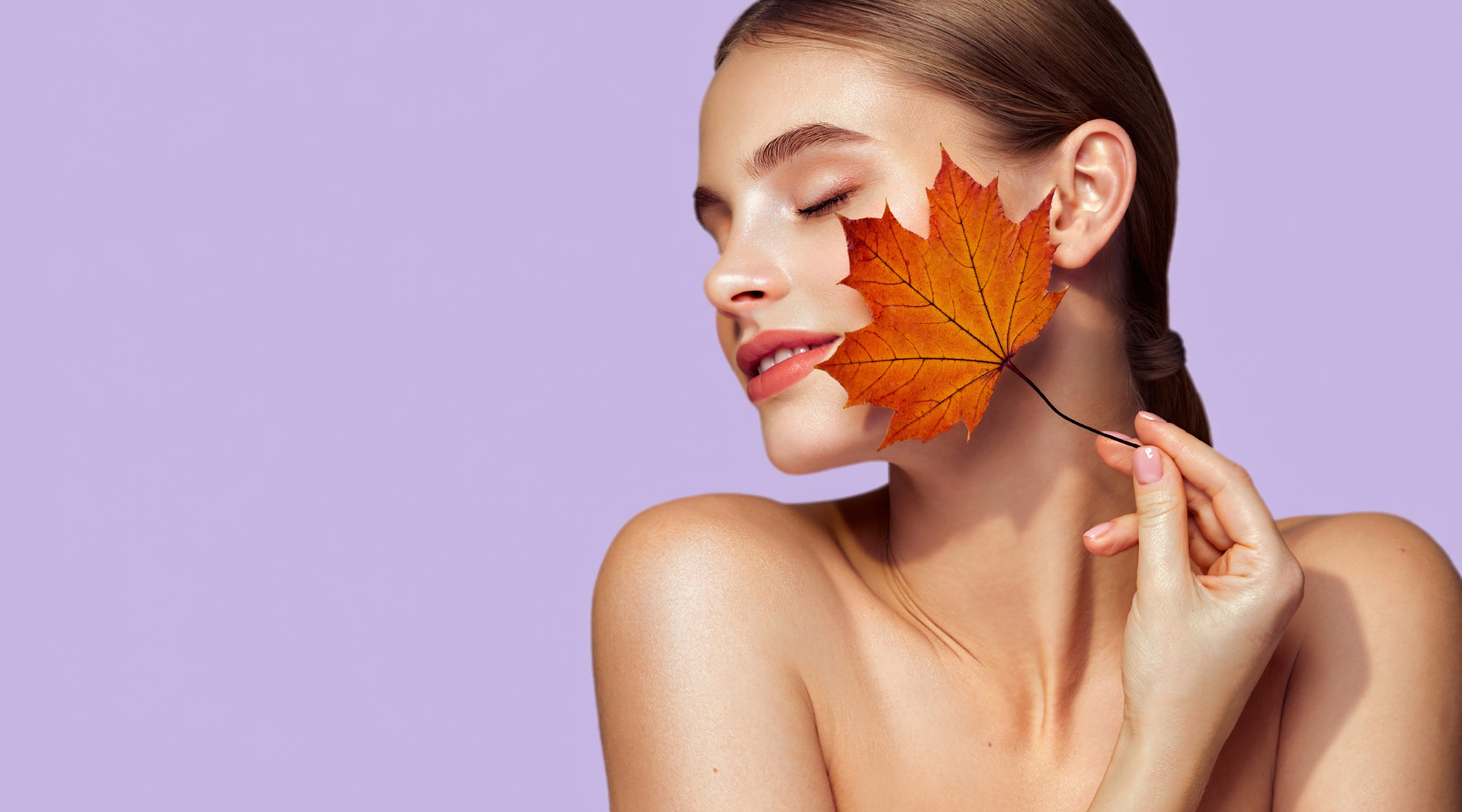
Fall Is the Time to Reassess Your Skin
A change in season is more than a change in your wardrobe. Your skin is exposed to a different environment as temperatures, humidity, sun habits, and indoor heating patterns shift. Those changes can affect how hydrated, comfortable, and balanced your skin feels. This is why fall is an ideal time to reassess your skincare routine. Rather than waiting until your skin becomes noticeably dry or irritated, start paying attention now. Small adjustments can help you stay ahead of seasonal changes.
Lower Humidity Can Affect Your Skin
One of the first things to watch for during the transition into fall is increased dryness. When humidity levels decrease, the air can pull moisture away from the skin more readily. You may notice tightness after cleansing, dry patches, flaking, or a rougher texture. These changes can be especially noticeable if you live in an area that experiences a significant shift in humidity. Your skin may need additional hydration and moisture support as the season progresses.
Open Heat Can Contribute to Moisture Loss

Fall activities often involve heat, whether you're gathered around a fire pit, sitting beside a fireplace, or enjoying a cozy evening indoors. Direct exposure to open heat can contribute to dryness and moisture loss from the skin. Indoor heating can also make the air inside your home drier. If you regularly use heating, consider adding a humidifier to the spaces where you spend the most time. Your skin may also benefit from reviewing your hydrating and moisturizing products as the weather changes.
Hydration Should Be a Priority
Fall is a good time to evaluate whether your routine is providing enough hydration. Ingredients such as hyaluronic acid may be helpful for some people because they act as humectants that attract and hold water. But an ingredient isn't automatically right for everyone simply because it's popular. Your overall routine, skin type, and current skin condition should be considered before adding something new. If you're already using hydrating products, you may only need to adjust how you're using them. A professional assessment can help you determine where your routine may be falling short.
Sunscreen Belongs in Your Routine All Year
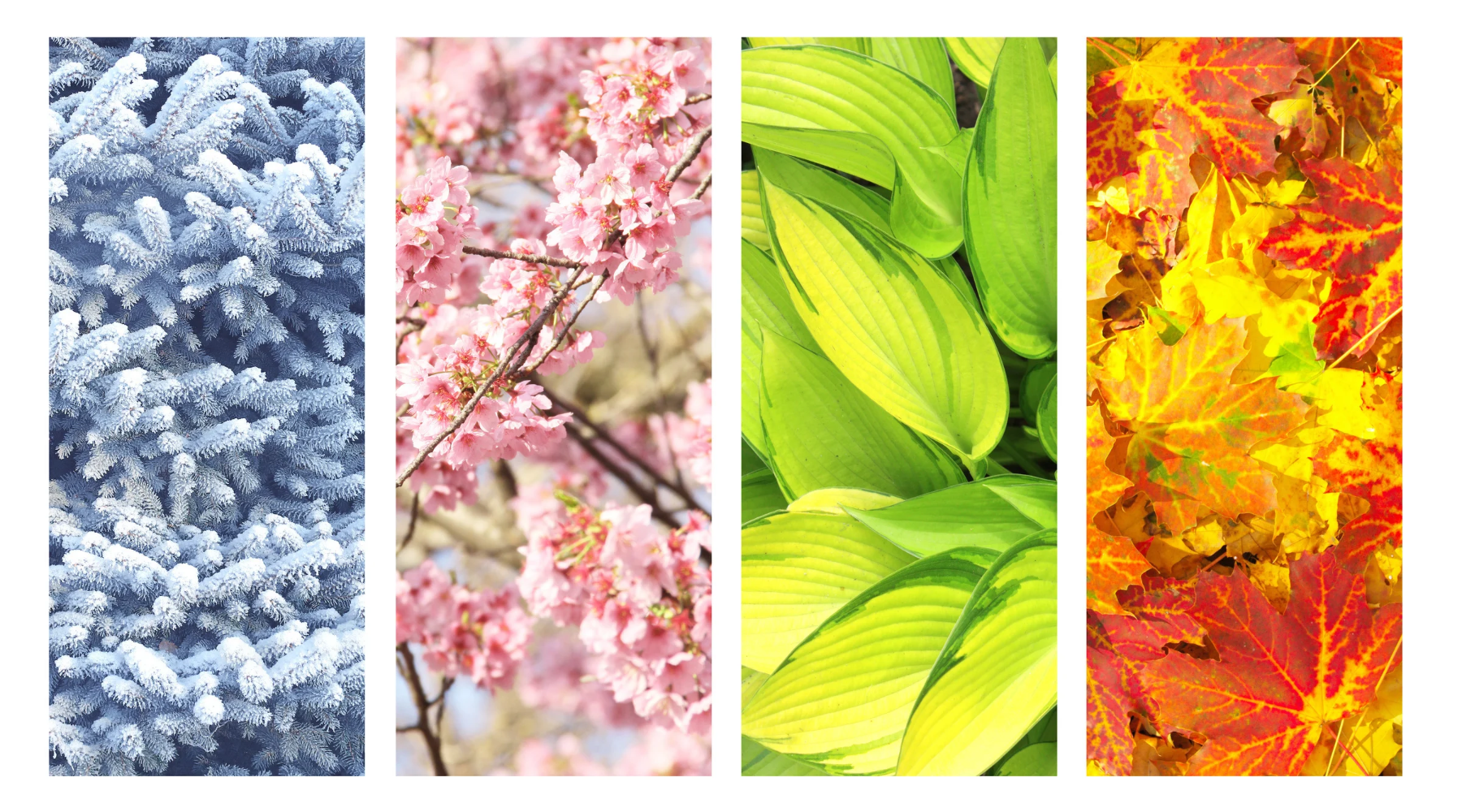
The cooler weather can make it easy to forget about sun protection. You may not feel as hot outside, and you may not be participating in the same outdoor activities you enjoyed during summer. But everyday sun exposure still happens while you're driving, walking, running errands, or spending time outdoors. That's why sunscreen shouldn't be treated as a seasonal product. Consistent sun protection is an important part of caring for your skin throughout the year.
Fading Tans Can Reveal Pigmentation
As your summer tan gradually fades, you may notice dark spots or areas of uneven pigmentation becoming more visible. These concerns may have been present throughout the summer but were harder to distinguish against a darker complexion. Fall can give you a clearer picture of what your skin experienced during the sunnier months. Pay attention to new or changing areas of pigmentation and bring those concerns to your esthetician. Depending on your individual skin, targeted brightening products or professional treatments may be options worth discussing.
Your Winter Routine Starts Before Winter
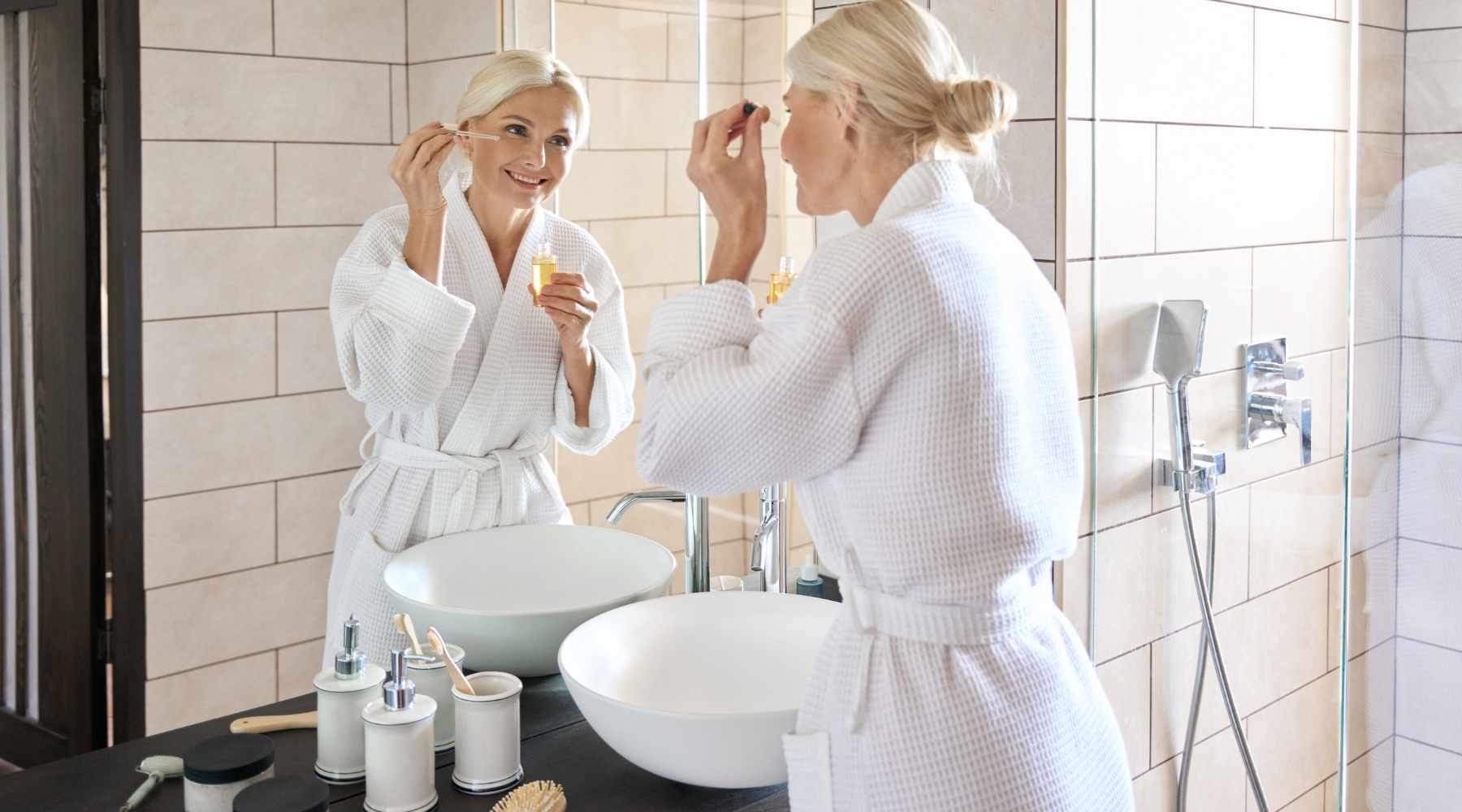
You don't have to wait until the coldest part of the year to start thinking about your moisturizer. Your skin's needs can begin changing as soon as the environment changes. You may find that your current moisturizer no longer feels sufficient or that your skin needs more hydration throughout the day. Some people may benefit from a moisturizer with a richer texture or more nourishing ingredients. Others may simply need additional hydration in their existing routine. The goal is to respond to what your skin is telling you rather than automatically choosing the heaviest product available.
A Seasonal Skin Assessment Can Help
Fall is an excellent time to schedule a visit with your esthetician and take a closer look at your skin. A seasonal assessment can help you identify changes in hydration, texture, pigmentation, and overall skin condition. It can also give you an opportunity to review the products you're currently using and determine whether anything needs to change. You may discover that your routine needs a few small adjustments rather than a complete overhaul. Having professional guidance can help you make those changes with more confidence. Your skincare routine should be based on your skin's needs—not simply what happens to be trending.
Let This Fall Be About Listening to Your Skin
Your skin gives you signals when something changes. Dryness, tightness, rough texture, or more visible pigmentation are all reasons to pay closer attention. That doesn't mean every change requires an aggressive treatment or a shelf full of new products. It means it's time to understand what your skin is experiencing and decide what support it needs. Fall gives you the perfect opportunity to do that before the colder months arrive. Listen to your skin, protect it consistently, and make adjustments based on what it actually needs.