Your Skincare Products Are Not the Whole Story

Let's talk about something I see quite often.
You have a skin concern.
You buy a product.
You use it for a little while.
You don't see the change you were hoping for.
So you buy something else.
Then something else.
And before you know it, your bathroom counter looks like a skincare store!
Sound familiar?
I recently had a client come in who had been doing exactly this. She had tried many different products, but she rarely stayed with one routine for very long.
And I understand why.
When you want your skin to improve, you want results.
I do too.
But here's the thing…
Products have limitations.
And understanding that can completely change the way you approach your skin.
Why Your Skincare Products May Not Be Enough
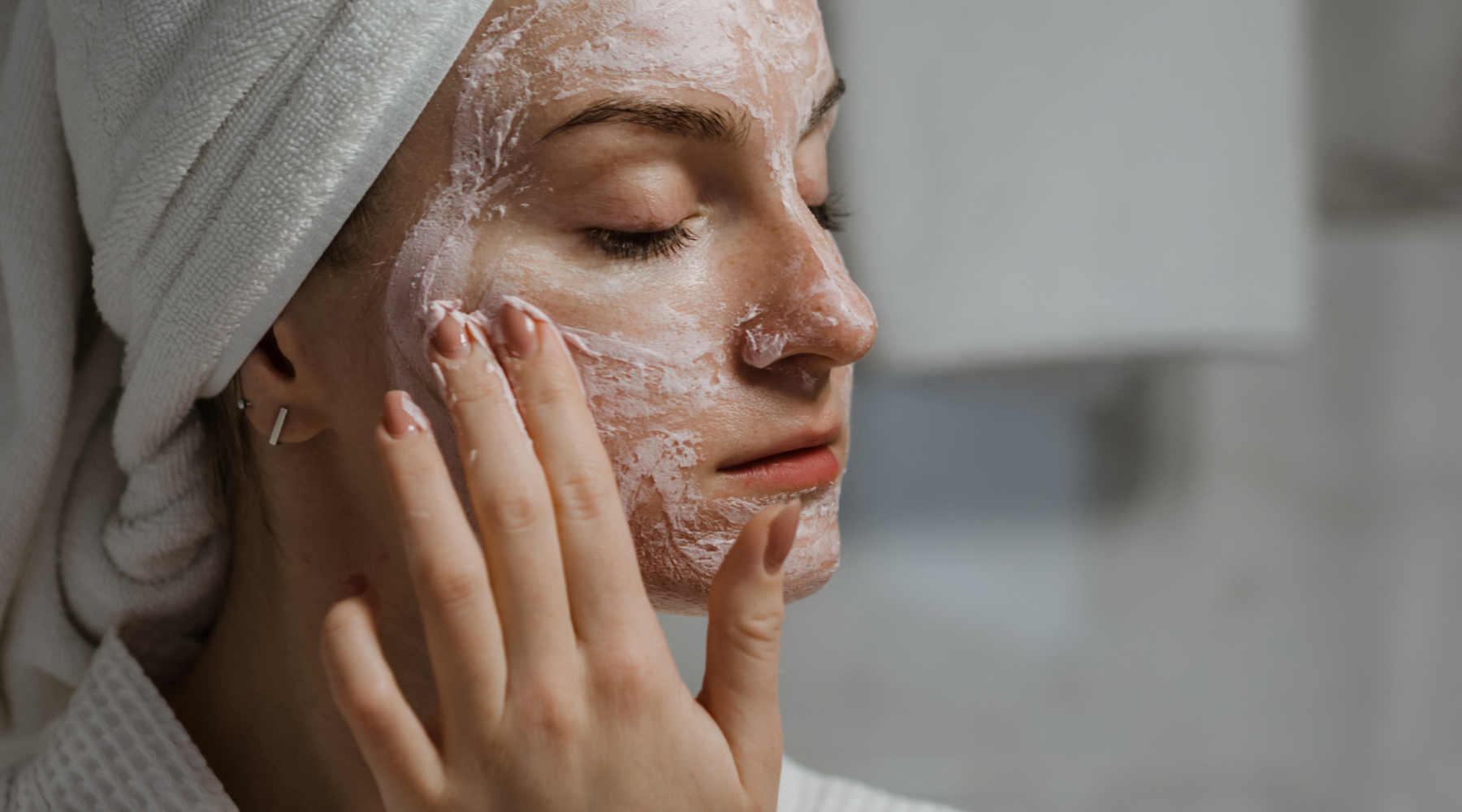
Skincare products can be helpful.
They can support the skin, address specific concerns, and become an important part of a consistent routine.
But a product isn't working in a vacuum.
Your skin is part of your body.
In fact, the skin is the body's largest organ.
So when we look at a skin concern, I don't want to look only at the product sitting on your bathroom counter.
I want to understand the person whose skin we're caring for.
That's an important distinction.
What Your Skin Is Telling You Beneath the Surface

Now, I'm not saying that every skin concern comes from “something going on inside.”
That's too simple.
But I also don't believe we should assume that every blemish, dry patch, or change in texture was caused by the last product we purchased.
Acne, for example, can have several contributing factors. The American Academy of Dermatology identifies hormones, stress, genetics, medications, and skincare or hair-care products among factors that can contribute to adult acne.
That's why I like to ask questions.
What are you using?
How long have you been using it?
When did the concern start?
Does it happen at certain times?
Have there been changes in your life or routine?
Are you using several active ingredients at once?
Sometimes those answers tell us much more than simply looking at a product label.
How Hormonal Changes Can Affect Your Skin
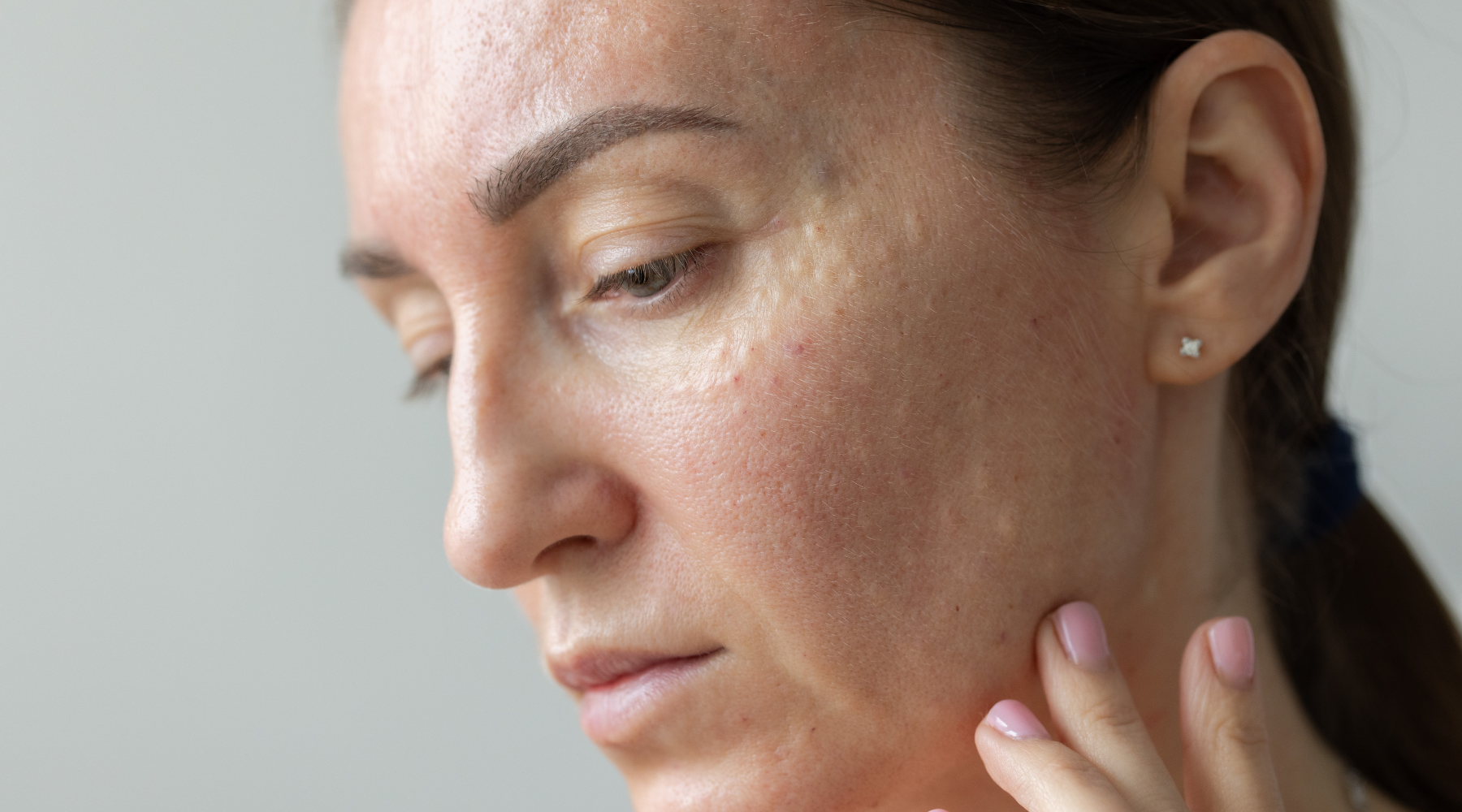
Here's another thing we sometimes forget.
Our bodies change.
Hormones fluctuate.
And our skin can respond to those changes.
I learned this early in life.
When I was a teenager, my brother would always know when my period was coming because I would get this one hormonal breakout on my chin.
He'd look at me and basically announce it before I did!
At the time, it was embarrassing.
Now?
I can laugh about it.
But it also taught me something: our skin can have patterns.
Hormonal fluctuations around the menstrual cycle can contribute to acne, and hormonal changes can also affect the skin during life stages such as perimenopause and menopause.
So if your skin changes at predictable times, don't ignore that information.
Write it down.
Pay attention.
Look for patterns.
Is It Skin Purging or an Irritation?
Know the Difference
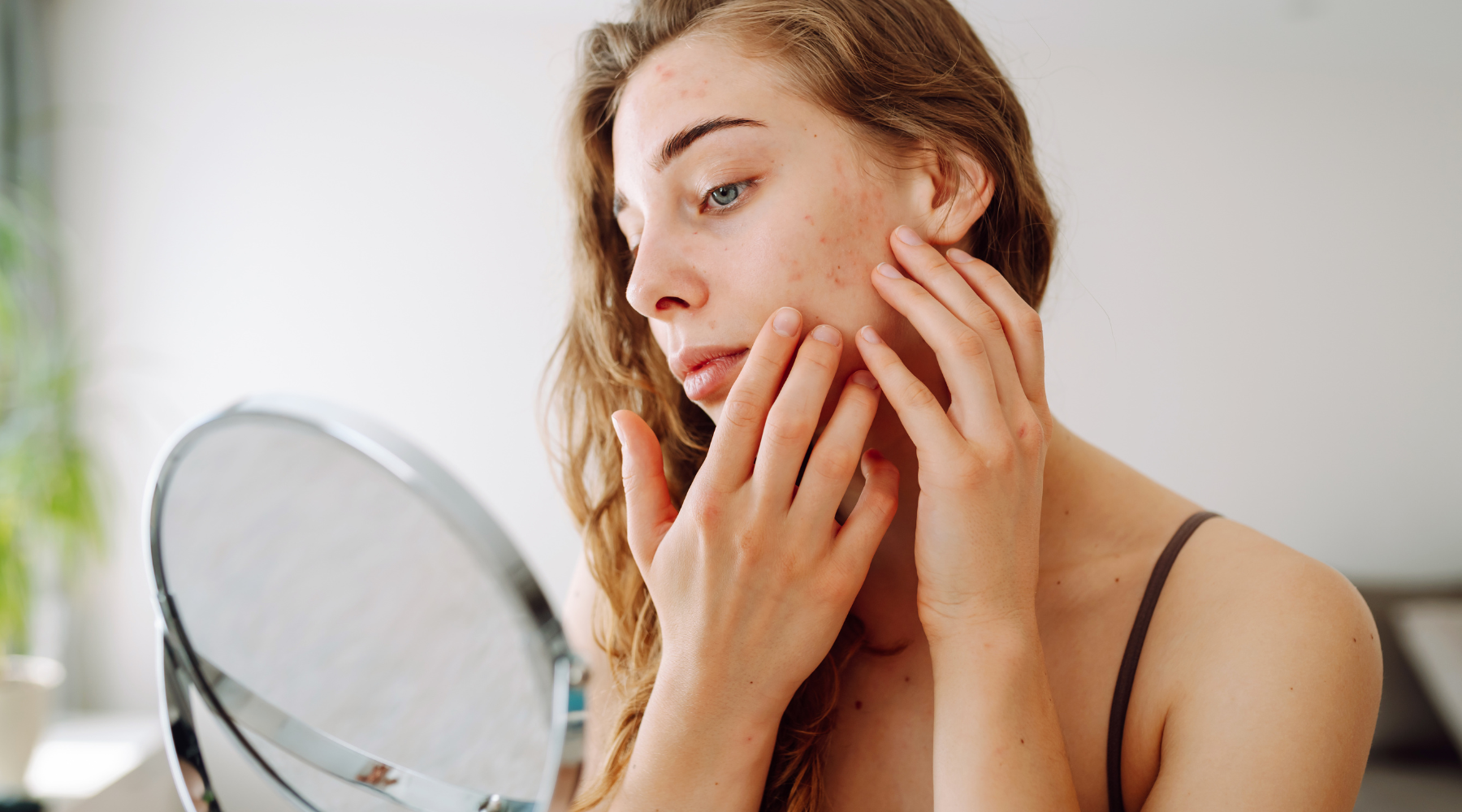
This is another area where I want to clear up some confusion.
You may start a new product and notice changes in your skin.
You might immediately hear:
“It's just purging!”
Maybe.
But maybe not.
Not every breakout or reaction is purging.
Some skincare products can irritate the skin, and certain ingredients can cause allergic contact dermatitis. Symptoms such as redness, itching, and swelling deserve attention, not automatic dismissal as part of the process.
And if you're treating acne, constantly changing products may not be helping.
The American Academy of Dermatology recommends sticking with an acne treatment long enough to evaluate it because changing treatments too frequently can irritate the skin and contribute to breakouts.
So here's my advice:
Don't panic at every change. But don't ignore your skin either.
There is a middle ground.
Why Consistency Matters More Than Constantly Changing Products
I know.
Waiting isn't always fun.
Especially when you're looking in the mirror every morning thinking, “Is it better yet?”
But skincare isn't instant gratification.
Some treatments require consistent use over weeks or longer before you can properly judge the results.
That's why I encourage my clients to focus on consistency rather than constantly chasing the newest product.
If you change five things at once, you don't know what helped.
And you don't know what caused the problem if your skin gets irritated.
Sometimes simple is actually more helpful.
A Holistic Approach to Understanding Your Skin
This is what I mean when I talk about taking a more holistic approach to skincare.
I'm not talking about blaming every skin issue on your diet.
I'm not saying you need to eliminate certain foods.
I'm not saying every medication causes acne.
And I'm definitely not saying you should stop taking a medication because of something you see on your skin.
I'm saying we need to consider the whole picture.
Your skincare routine is one piece.
Your hormones may be another.
Your stress and lifestyle may be relevant.
Your genetics may play a role.
Your medications may be worth discussing with your healthcare provider.
And your skin's own needs can change over time.
That's why understanding your skin is so important.