
The Truth About That Summer Tan: What Your Skin Is Really Trying to Tell You

As summer comes to an end, many people are enjoying the golden, sun-kissed glow they've developed over the past few months. Whether it came from relaxing at the beach, spending afternoons by the pool, or simply enjoying more time outdoors, a tan is often viewed as a sign of beauty, health, and an active lifestyle. It's no surprise that many people intentionally spend time in the sun hoping to achieve that bronzed complexion. While there's nothing wrong with enjoying the outdoors, it's important to understand what your skin is actually experiencing during the tanning process.
As a licensed esthetician, I often remind my clients that a tan is not a sign of healthier skin. In fact, tanning is your skin's natural response to ultraviolet (UV) radiation. When your skin is exposed to the sun, it produces more melanin—the pigment responsible for your skin color in an effort to protect itself from further UV damage. Although this protective response helps reduce additional injury, it doesn't mean your skin has escaped damage. The very fact that your skin darkens is evidence that it has already been exposed to harmful UV rays.
Understanding why your skin tans is the first step toward making healthier skincare choices. In this article, we'll explore what happens beneath the surface when your skin tans, why sun damage often becomes more visible after your tan fades, and how you can protect your skin from premature aging and long-term damage. My goal isn't to discourage you from enjoying the sunshine, but to help you do so in a way that keeps your skin healthy, radiant, and beautiful for years to come.
What Happens When You Tan?

When your skin is exposed to ultraviolet (UV) rays from the sun, a remarkable protective process begins almost immediately. UV radiation can penetrate the outer layers of the skin and damage the DNA inside skin cells. To help reduce further injury, your body activates specialized cells called melanocytes, which produce melanin, the natural pigment responsible for the color of your skin, hair, and eyes. As melanin production increases, your skin gradually becomes darker, creating what we recognize as a tan. This response is your body's attempt to shield itself from continued UV exposure.
While melanin provides some natural protection by absorbing and dispersing portions of the sun's harmful rays, it is far from a perfect defense. A common misconception is that having a tan means your skin is healthy or protected from future sun damage. In reality, a tan is evidence that your skin has already been stressed by UV radiation. Even if you never experience a painful sunburn, repeated tanning causes cumulative damage that builds over time. This damage affects not only the surface of your skin but also the deeper structures responsible for keeping it firm, smooth, and youthful.
Think of a tan as your skin's way of saying, "I'm trying to protect myself." While your body does an incredible job of defending itself, its natural protection has limits. Every period of unprotected sun exposure contributes to long-term changes such as uneven pigmentation, premature aging, collagen loss, and an increased risk of skin cancer. That's why dermatologists and skincare professionals consistently recommend daily sunscreen and other sun-protective habits, not because the sun is something to fear, but because prevention is always easier than correcting years of accumulated damage.
Why Your Tan Fades but Sun Damage Appears
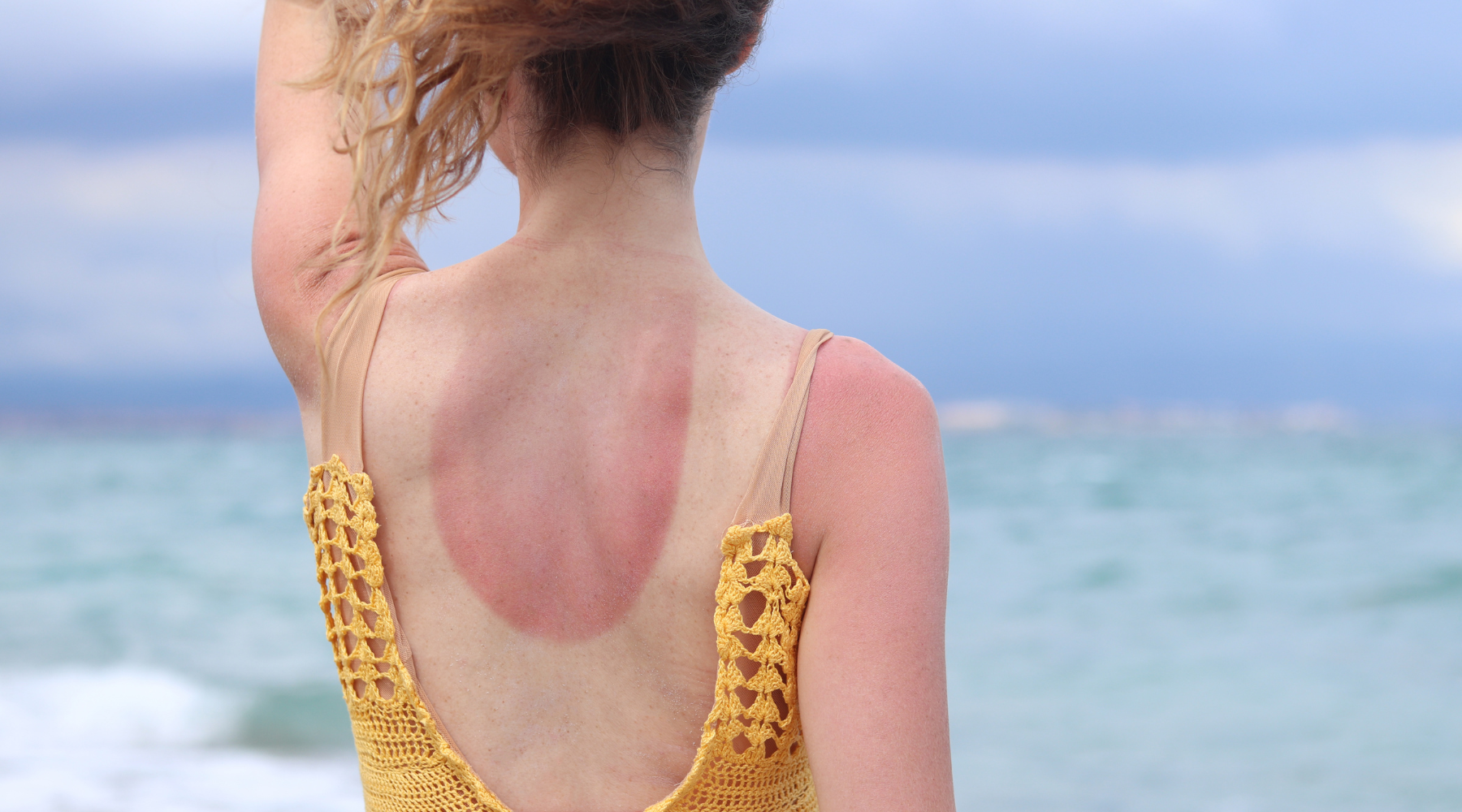
One of the most common questions I hear from clients is, "Why did my dark spots suddenly appear?" The truth is, they often didn't appear overnight; they were simply hidden beneath your summer tan. As the seasons change and your skin naturally renews itself, the extra melanin produced during the summer gradually sheds away. By late fall or winter, your tan begins to fade, revealing uneven pigmentation that may have been developing beneath the surface all along. This is why many people notice freckles becoming darker, brown spots becoming more visible, or their complexion appearing less even several months after summer ends.
Sun exposure doesn't just affect the outermost layer of your skin. Ultraviolet rays can stimulate excess melanin production in certain areas, particularly if your skin has experienced repeated exposure over many years. This can lead to hyperpigmentation, commonly known as sunspots or age spots, which often appear on the face, chest, shoulders, and hands areas that receive the most sunlight. While these changes are common, they are also preventable with consistent sun protection and proper skincare. The earlier you begin protecting your skin, the better your chances of maintaining a brighter, more even complexion over time.
The good news is that you don't have to simply accept sun damage as a normal part of aging. Professional skincare products and treatments can significantly improve the appearance of discoloration while supporting healthier skin renewal. The key is addressing sun damage early before pigmentation becomes deeper and more difficult to treat. If you've noticed new brown spots after your summer tan has faded, it's the perfect time to schedule a professional skin consultation. Understanding your skin's condition allows us to create a personalized treatment plan that restores clarity, improves tone, and helps prevent future damage.
How UV Rays Accelerate Skin Aging

While dark spots are one visible result of sun exposure, they're only part of the story. Ultraviolet radiation also affects the deeper layers of the skin, where collagen and elastin are found. Collagen is the protein that gives your skin strength and structure, while elastin allows it to stretch and bounce back. Together, these proteins keep your skin firm, smooth, and youthful. Unfortunately, repeated exposure to UV rays breaks down these essential building blocks, making it harder for your skin to repair itself over time.
As collagen production slows and existing collagen fibers become damaged, the signs of premature aging begin to appear. Fine lines may become more noticeable around the eyes and mouth, wrinkles can deepen, and the skin may lose some of its firmness and elasticity. Many people associate these changes solely with getting older, but research shows that a significant portion of visible skin aging is actually caused by cumulative sun exposure, a process known as photoaging. Unlike natural aging, photoaging can often be slowed with daily sun protection and a proactive skincare routine.
Protecting your skin today is one of the best investments you can make for your future appearance. Wearing sunscreen, seeking shade during peak sunlight hours, and using skincare products that support collagen health can all help reduce the effects of photoaging. While we can't stop the natural aging process, we can certainly slow down unnecessary damage caused by UV exposure. Healthy habits practiced consistently over time can make a remarkable difference in maintaining smoother, firmer, and healthier-looking skin for years to come.
Protecting Your Skin: Prevention and Professional Care
When it comes to healthy skin, prevention is always more effective than correction. The single most important step you can take is wearing a broad-spectrum sunscreen with an SPF of at least 30 every day even when it's cloudy or you're only spending a short amount of time outdoors. UV rays are present year-round and can penetrate clouds and even windows, meaning your skin is exposed more often than you might realize. Reapplying sunscreen every two hours during extended outdoor activities is equally important to maintain consistent protection.
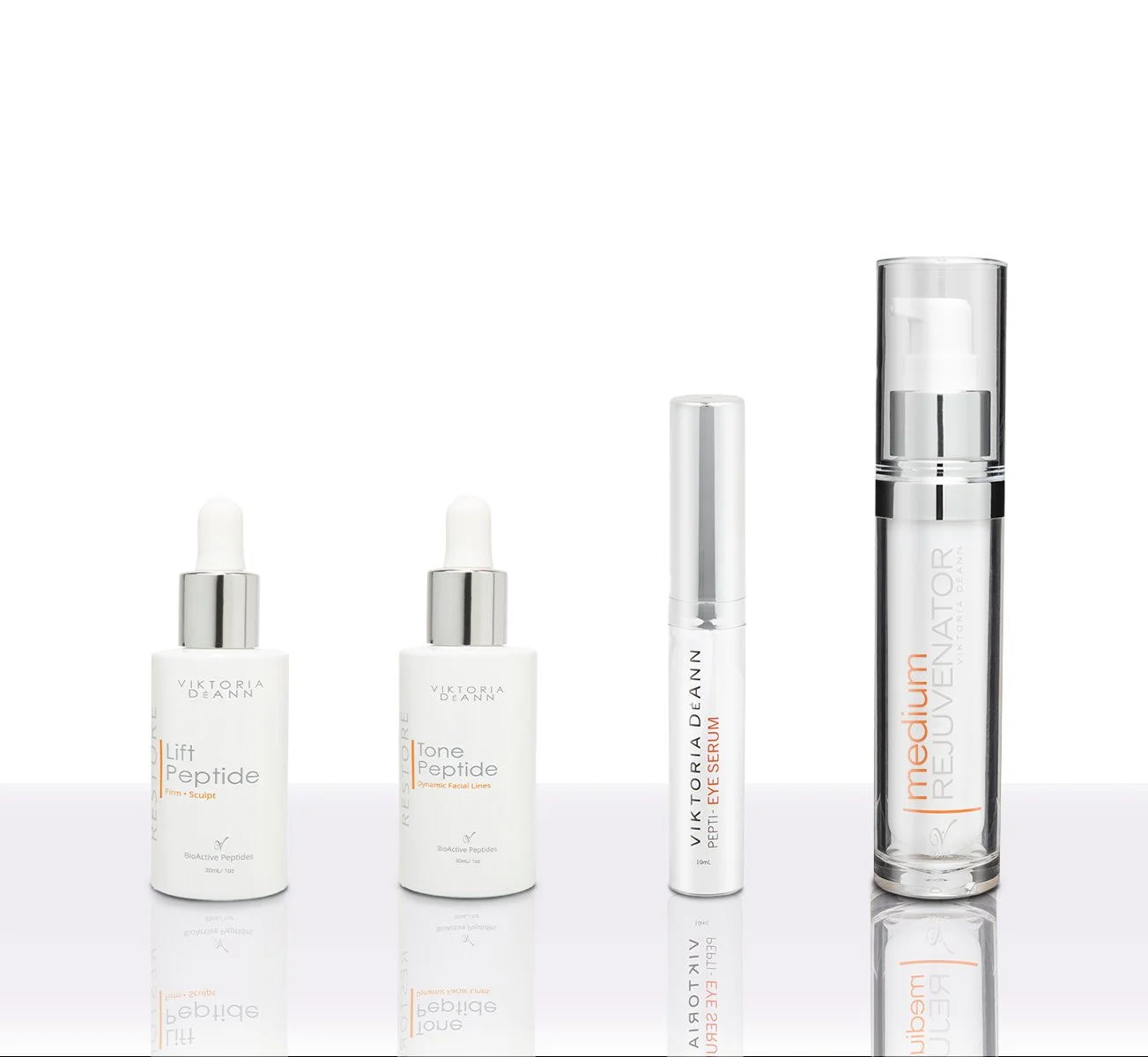
If you're already noticing uneven skin tone or sun-induced pigmentation, professional skincare products can help improve your complexion. At Brow To Toe, one of the products we recommend is Viktoria De Ann HP Correct, a targeted brightening treatment formulated to help reduce the appearance of discoloration and promote a more even skin tone. Combined with a customized home skincare routine and diligent sun protection, brightening products can gradually improve pigmentation while helping prevent new dark spots from forming.
Professional treatments can also play an important role in restoring skin affected by the sun. Depending on your skin's condition, treatments such as chemical peels can help accelerate healthy skin renewal, improve texture, reduce discoloration, and stimulate a fresher, more radiant complexion. Every person's skin is unique, which is why a professional skin consultation is so valuable. During your consultation, we can evaluate your skin, discuss your concerns, and develop a personalized treatment plan designed to address sun damage, improve overall skin health, and help you achieve your long-term skincare goals.
Love the Glow Without the Damage: Safer Alternatives to Sun Tanning
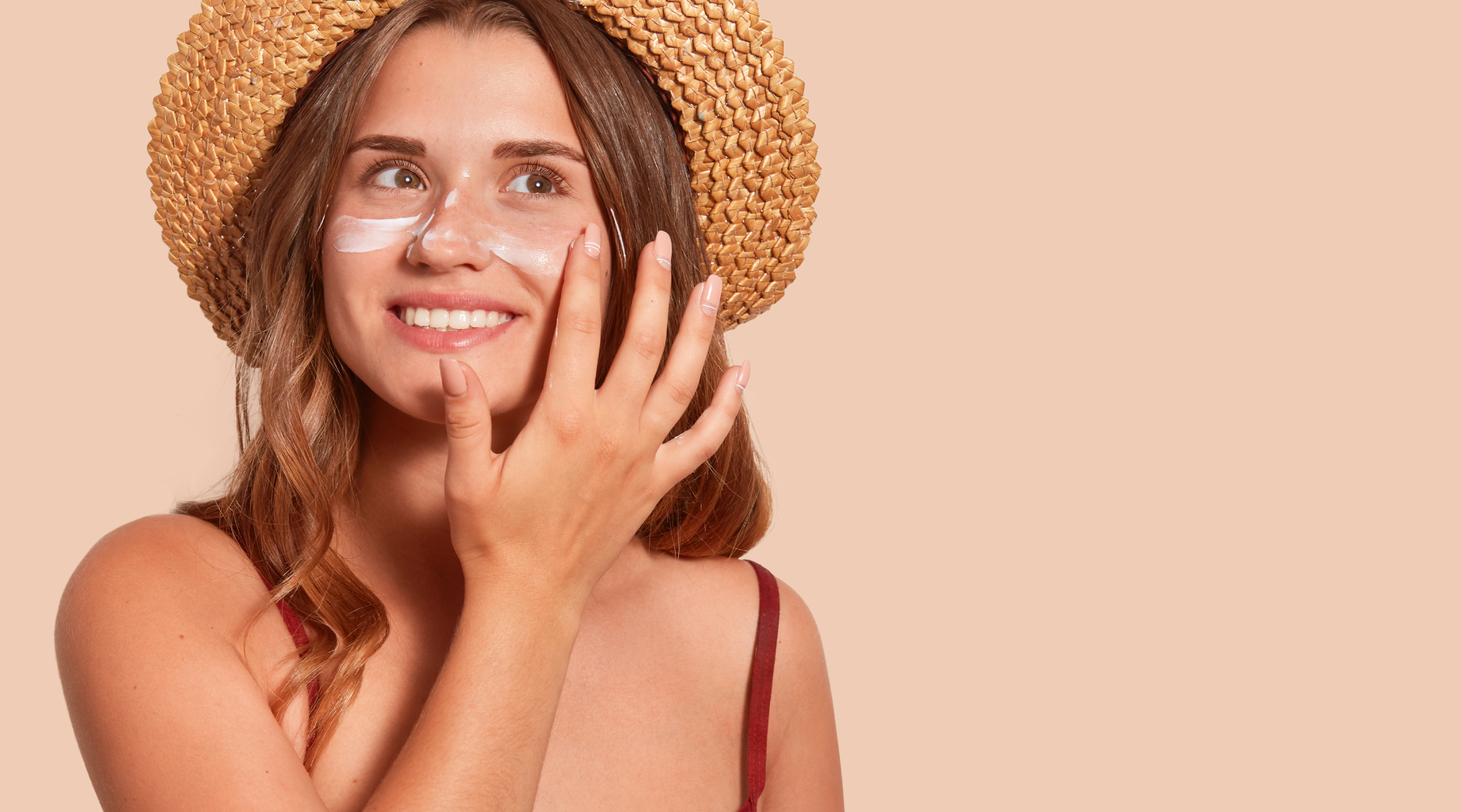
If you love the look of sun-kissed skin, the good news is that you don't have to spend hours in the sun to achieve it. Today's sunless tanning products have come a long way, offering natural-looking results without exposing your skin to harmful ultraviolet (UV) rays. Professional spray tans, self-tanning lotions, gradual tanning moisturizers, and bronzing drops can all provide a beautiful bronze glow while helping you avoid the long-term effects of excessive sun exposure. These options allow you to enjoy the appearance of a tan without sacrificing your skin's health.
While sunless tanning products create the illusion of tanned skin, it's important to remember that they do not provide protection from the sun. Even if your skin looks bronzed, you'll still need to apply a broad-spectrum sunscreen with an SPF of 30 or higher whenever you're outdoors. Pairing a sunless tan with good sun protection gives you the best of both worlds you can enjoy a radiant summer glow while reducing your risk of sunburn, premature aging, hyperpigmentation, and skin cancer. Wearing protective clothing, sunglasses, and wide-brimmed hats, along with seeking shade during peak sunlight hours, can further protect your skin while allowing you to continue enjoying outdoor activities.
Healthy skin is always more beautiful than a temporary tan. Every decision you make today—from wearing sunscreen to choosing safer tanning alternatives helps preserve your skin's appearance for years to come. Instead of chasing a tan that may eventually fade and reveal hidden sun damage, consider investing in habits that keep your skin strong, healthy, and radiant throughout every season. Your future self will thank you for choosing protection over damage and prevention over correction. If you're ready to restore your skin's natural radiance and invest in its long-term health, we'd love to help you begin that journey.